Monday, November 10, 2025
Blog Post #11 week of 11/10/25
Tuesday, November 4, 2025
What is Neurodiversity? Blog post for week of 11/5
"What is Neurodiversity?" by Child Mind Institute
The article “What Is Neurodiversity?” by Child Mind Institute, explains that some people’s brains just work differently, and that this is a normal part of human diversity. The article says that having autism, ADHD, or a learning disability doesn’t make someone “broken” but rather it just means their brain may work in a way that school systems don’t always understand or support. The article also points out that a lot of the problems that neurodivergent students face sometimes come from the environment and not from the students themselves. The article's main point seems to be that the world and schools especially, are often set up only for “typical” brains.
I feel like the readings from Lisa Delpit’s we've read could connect well to this idea of the article. Delpit writes about how the school system is often set up for one kind of student which tends to be usually white, middle-class, and already familiar with the “rules” of school. Delpit suggests that students of color, or students who come from different cultures, are often seen as having problems, when really it’s the school that has a problem for not including them. Delpit talks a lot about how teachers should value students’ backgrounds and teach them what they need to succeed, instead of blaming them for being “different.”
The connection that I feel the two share is that the neurodiversity article and Delpit’s argument say that problems don’t come from the child and they come from the way schools are built. A child might be Black, or autistic, or bilingual, and still be capable and smart. BUT, if the classroom only allows one kind of behavior, one way of thinking, or one form of communication, then the child will look like the problem when in reality its the classroom that needs to change.
Both Delpit and the neurodiversity article offer us as future educators and teachers to ask ourselves just how we can make this space work for all kinds of learners instead of trying to “fix” the student. Both promote changing the environment so that EVERYONE has a chance to succeed.
Tuesday, October 21, 2025
Finn Literacy with an Attitude- thoughts
Finn Literacy with an Attitude- Patrick J Finn
While reading the article, “Literacy with an Attitude” by Patrick Finn, I was able to draw so many connections from not only my own experience while in my k-12 classes but also from doing my school observations of classrooms. One part that really stood out to me while I was reading was in chapter 2 on page 11 at the bottom of the page when a fifth grade teacher said, “They’re lazy. I hate to categorize them but they’re lazy.” Talking about the students. That just really baffled me because as a future educator I can’t even begin to imagine myself calling any student lazy no matter what. Right above that passage though, there is another passage that stood out which is when the author is describing Anyon’s experience while observing these schools and mentions that Anyon only two times did Anyon hear a teacher say “please” to a student in a non-sarcastic tone. This made me think about my most recent school field observation at an elementary school in North Providence. The teacher while working with a group of students ended up singling out a student who appeared to either have a possible learning disability or a possible language barrier. The teacher would talk into her phone (to what seemed to be a translator) and the student would then read the phone. What I noticed though was the teachers use of tone and how she came off very aggressive and condescending while speaking into her phone but it may not have translated that way to the student but myself and their classmates noticed it.
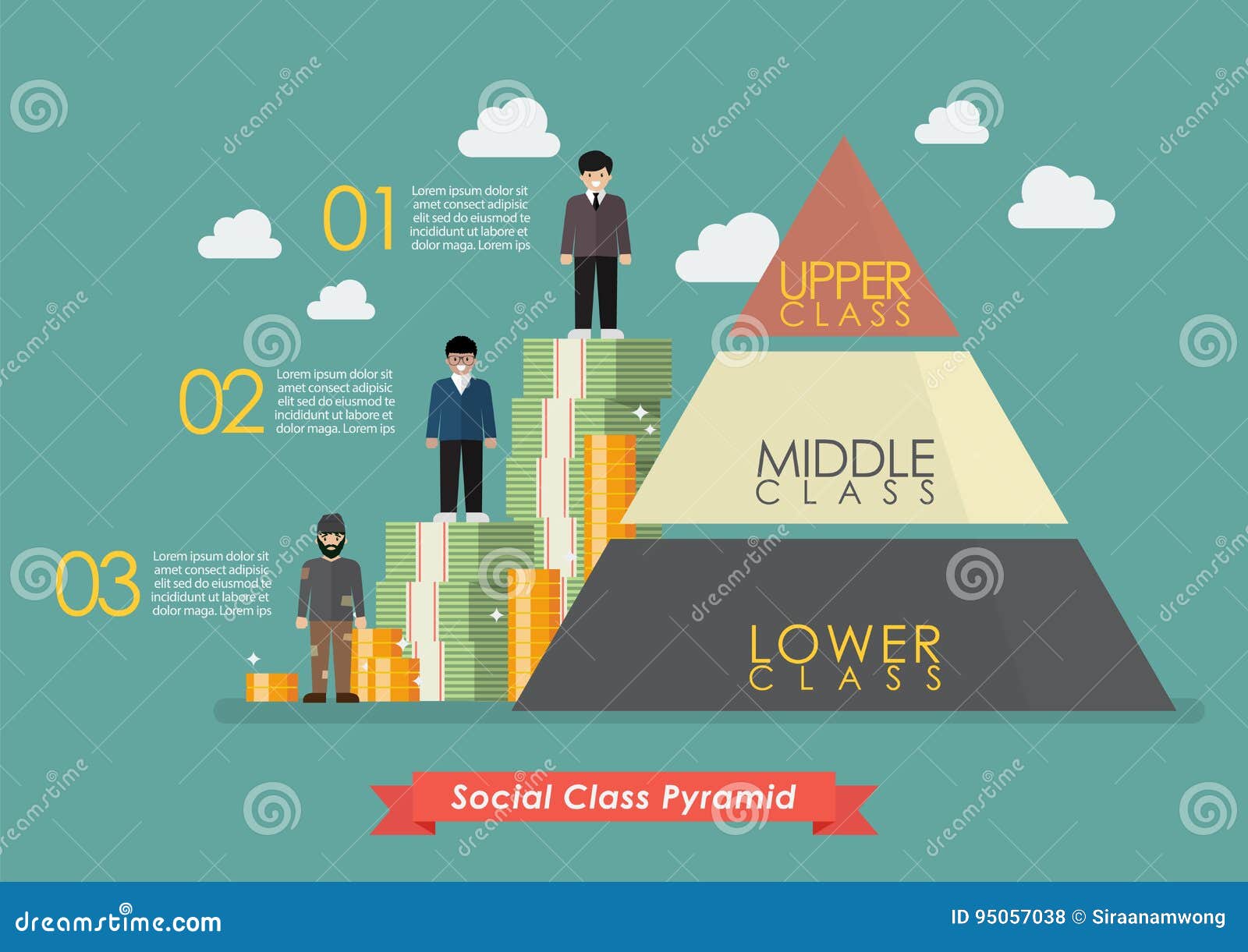
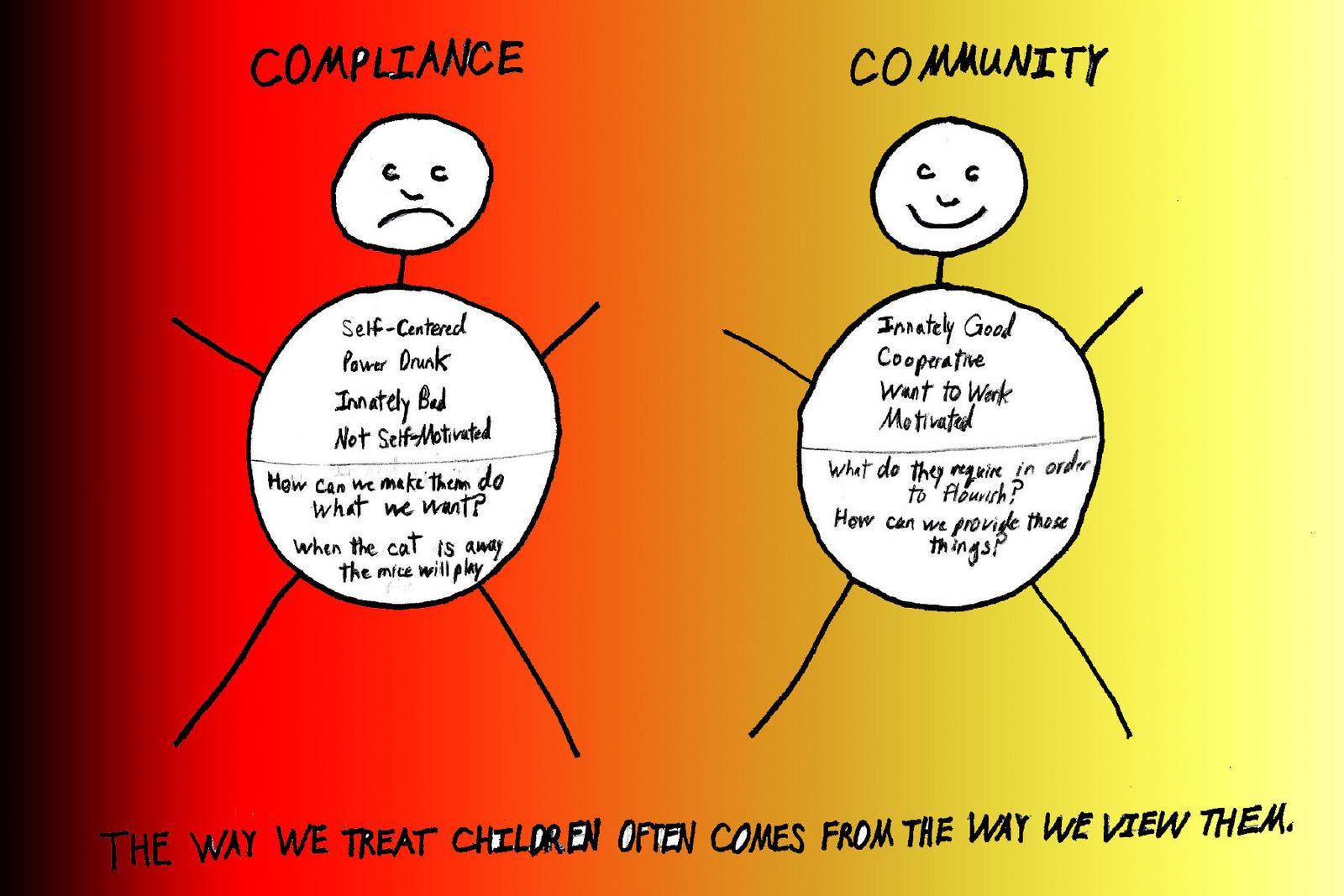
The situation I mentioned prior about the student and teacher, could be seen as an attempt at being asset based but it came off extremely deficit based. I would say it came off deficit based because the tone of which the teacher spoke was not genuine nor inviting but on the other hand but he teacher using a device to try and communicate with the student that is asset based in trying to meet the student where they are at. Also, the text had mentioned different social classes and gave examples from them and how the students may be. One thing I really didn’t enjoy reading within this text though was when they had mentioned that some students would be placed in classes that they were not actually performing at just because of their behavior which is just insane because it’s not fair nor right to sum all the work a student does to their behavior.
A question I bring to the table for my classmates is do they think that the teacher was using a more asset or deficit based scenario in the classroom. Also, I want to ask my classmates how would they go about helping a student who may have a learning disability or a language barrier. Do you think that the teacher did a good job at enhancing the students’ education by using the phone/translator app?
Wednesday, October 15, 2025
Monday, October 6, 2025
What to Look for in a Classroom- Alfie Kohn- thoughts
What to Look for in a Classroom- Alfie Kohn- input
Sunday, September 28, 2025
Delpit, The Silenced Dialogue- Response
Delpit, The Silenced Monologue- review
Saturday, September 27, 2025
Sleeter Article input
Sleeter, The Academic and Social Values of Ethnic Studies- my entry
Reading this article, I noticed many similarities to not just the video we watched in class but also my own life experiences. In the video from class, the main focus of the class was to teach students about the culture and background of ethnic studies. For a lot of the students, this helped validate them and teach them more about who they are as a person and their history. When I was in my k-12 classes, I never really learned about Native Americans or the true history of the culture yet was always taught about Thanksgiving. After learning the events of Thanksgiving and how the Natives were beheaded, killed, and toyed with was truly heartbreaking. What was even more heartbreaking was the fact that I learned that part of history from my grandmother telling me. Schools and the government have a way of making it seem like the United States is never in the wrong which is far from the truth. They make it seem as though everyone else is the enemy or that others start stuff first. They don’t like for people to learn the truth about history yet they can’t take away the fact that it happened!
During the video we watched in class, the school board guy was just mad that the students were learning about how badly their ancestors were treated and what they had to go through. They don’t like for people to recognize and learn the mistreatment and the need for change. One part that really stood out especially during the video is when they say “Who many of us would consider a thug.” That part made me feel some sort of way because who is he to say a broad statement but yet if the roles were reversed then it’s a whole story. Going against the grain of the American way is highly disliked and frowned upon which is frustrating to see. In class we also did an assignment where we got educated on a topic then taught it to others. One thing I found out is that there were people from my group who had never heard about the history of the Native American schools which was so shocking and sad because of the importance of history it has. Seeing the same things being repeated is just even more upsetting because it leads me to wonder will anything ever really change and if so, when?
Blog Post #12
1-) Watching the film in class precious knowledge is definitely up there. I feel like it really opened my eyes to how positive it can be fo...
-
1-) Watching the film in class precious knowledge is definitely up there. I feel like it really opened my eyes to how positive it can be fo...
-
Finn Literacy with an Attitude- Patrick J Finn While reading the article, “Lit...


.jpg)