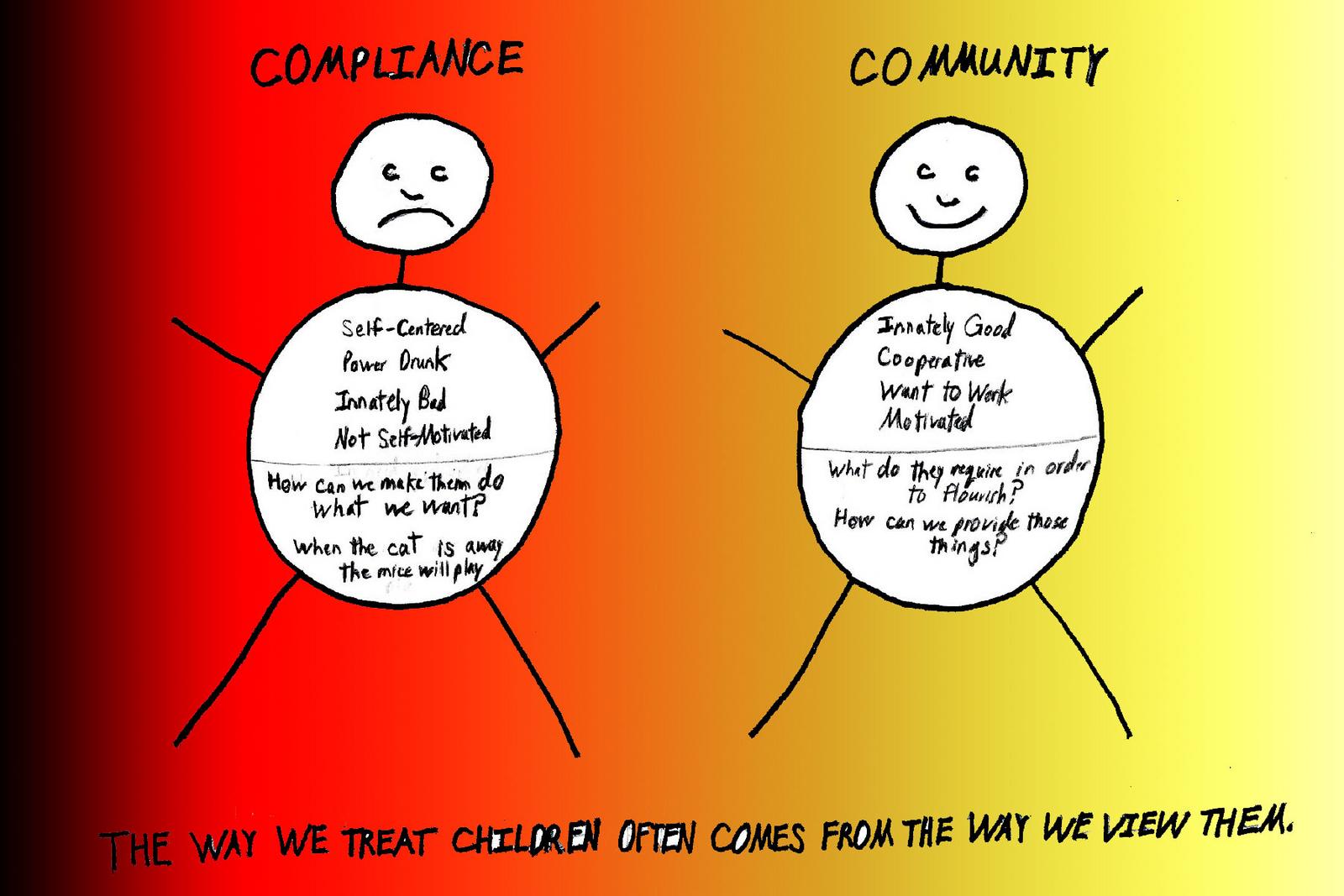
Finn Literacy with an Attitude- Patrick J Finn
While reading the article, “Literacy with an Attitude” by Patrick Finn, I was able to draw so many connections from not only my own experience while in my k-12 classes but also from doing my school observations of classrooms. One part that really stood out to me while I was reading was in chapter 2 on page 11 at the bottom of the page when a fifth grade teacher said, “They’re lazy. I hate to categorize them but they’re lazy.” Talking about the students. That just really baffled me because as a future educator I can’t even begin to imagine myself calling any student lazy no matter what. Right above that passage though, there is another passage that stood out which is when the author is describing Anyon’s experience while observing these schools and mentions that Anyon only two times did Anyon hear a teacher say “please” to a student in a non-sarcastic tone. This made me think about my most recent school field observation at an elementary school in North Providence. The teacher while working with a group of students ended up singling out a student who appeared to either have a possible learning disability or a possible language barrier. The teacher would talk into her phone (to what seemed to be a translator) and the student would then read the phone. What I noticed though was the teachers use of tone and how she came off very aggressive and condescending while speaking into her phone but it may not have translated that way to the student but myself and their classmates noticed it.
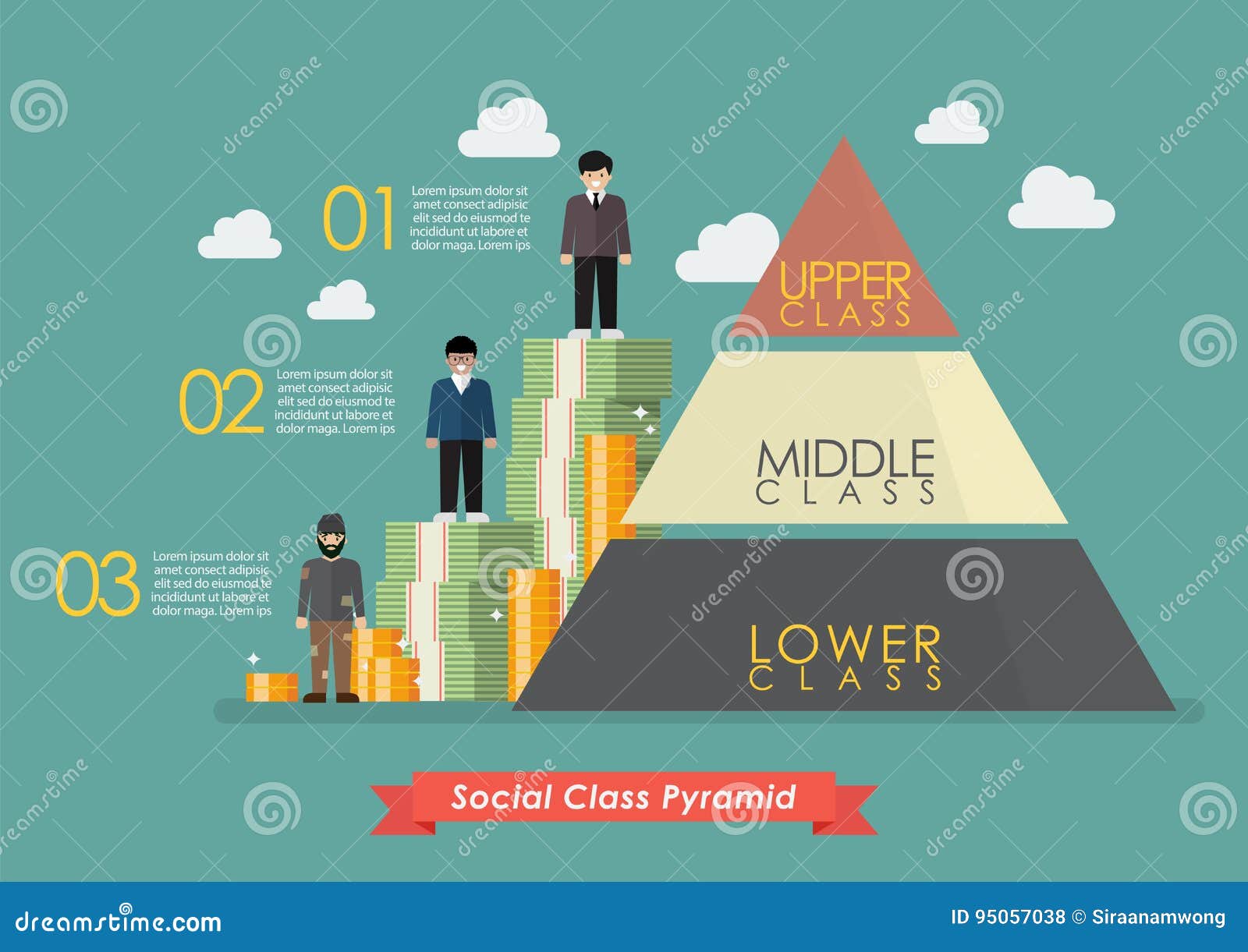
The situation I mentioned prior about the student and teacher, could be seen as an attempt at being asset based but it came off extremely deficit based. I would say it came off deficit based because the tone of which the teacher spoke was not genuine nor inviting but on the other hand but he teacher using a device to try and communicate with the student that is asset based in trying to meet the student where they are at. Also, the text had mentioned different social classes and gave examples from them and how the students may be. One thing I really didn’t enjoy reading within this text though was when they had mentioned that some students would be placed in classes that they were not actually performing at just because of their behavior which is just insane because it’s not fair nor right to sum all the work a student does to their behavior.
A question I bring to the table for my classmates is do they think that the teacher was using a more asset or deficit based scenario in the classroom. Also, I want to ask my classmates how would they go about helping a student who may have a learning disability or a language barrier. Do you think that the teacher did a good job at enhancing the students’ education by using the phone/translator app?


.jpg)